
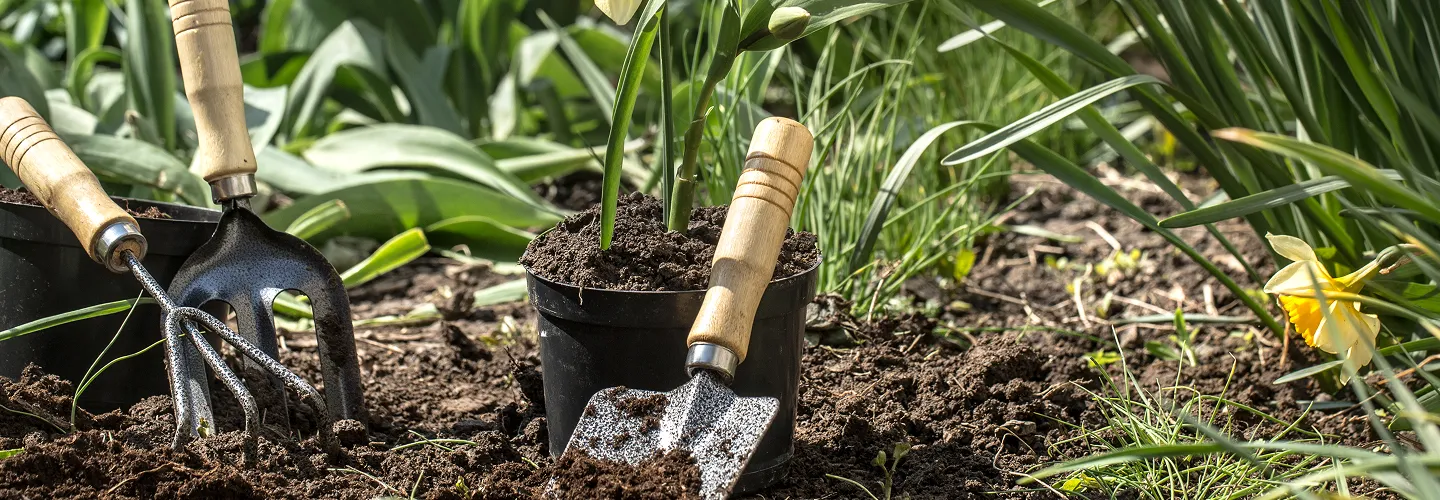
Western Springs Lawn Renovation Services
Choose our Lawn Renovation services for expert care, premium materials, and a commitment to transforming tired, patchy grass into a lush, healthy lawn you’ll love all season long.
Get a Free QuoteOur Western Springs Landscaping & Yard Care Services
When to Schedule Lawn Renovation in Western Springs, IL – Seasonal Guide
In Western Springs, IL, the best times for lawn renovation are typically early fall and late spring. These periods offer moderate temperatures and consistent rainfall, which are ideal for seed germination and root establishment. The local climate, characterized by cold winters and humid summers, means that timing your renovation to avoid extreme heat or frost is crucial for long-term lawn health. Neighborhoods near Spring Rock Park and the Old Town North area often experience varying shade coverage and soil types, so it's important to assess your specific property conditions before scheduling work.
Local environmental factors such as the average last frost date in late April, the risk of summer drought, and the prevalence of clay-heavy soils in Western Springs all play a role in determining the optimal renovation window. Additionally, municipal guidelines and water usage restrictions may impact when and how you can perform certain lawn care tasks. For more information on local regulations and community resources, visit the Village of Western Springs Official Website.
Local Factors to Consider for Lawn Renovation in Western Springs
- Tree density and shade coverage, especially in areas like Ridgewood and Forest Hills
- Soil composition, with many properties featuring clay or compacted soils
- Seasonal precipitation patterns and risk of summer drought
- Terrain and drainage, particularly on sloped lots or near Salt Creek
- Municipal restrictions on watering or renovation timing
- Proximity to parks or natural areas, which may influence pest and weed pressure
Benefits of Lawn Renovation in Western Springs

Enhanced Curb Appeal
Improved Lawn Health
Weed and Pest Reduction
Increased Property Value
Customized Landscaping Solutions
Expert Local Knowledge

Western Springs Lawn Renovation Types

Sod Installation
-
Overseeding
-
Aeration and Dethatching
-
Soil Amendment
-
Weed and Pest Control
-
Topdressing
-
Complete Lawn Replacement
Our Lawn Renovation Process
Site Evaluation
Soil Preparation
Seeding or Sodding
Watering and Fertilization
Ongoing Maintenance
Why Choose Western Springs Landscape Services

-
Western Springs Homeowners Trust Us
-
Expert Lawn Maintenance
-
Reliable Seasonal Cleanups
-
Competitive Pricing
-
Professional Team
-
Satisfaction Guarantee
-
Personalized Service
Contact Western Springs's Department of Public Works for Renovation Debris Disposal & Soil Amendment Materials
Proper management of renovation debris is essential for both environmental compliance and community standards in Western Springs. The Department of Public Works oversees seasonal yard waste collection, accepting old sod, thatch, and organic debris in biodegradable paper bags or for loose collection, in accordance with the Illinois yard waste landfill ban. For bulk soil, rock, or construction material disposal, residents must use the Transfer Station or Recycling Center, which operates on set schedules and may require permits or fees. Finished compost for soil amendment is available through municipal and regional composting programs, with bulk delivery options for large projects and seasonal quality specifications. Specialized disposal, such as for contaminated soil or diseased turf, requires coordination with the Health Department and may involve environmental site assessment and Illinois EPA protocols. Debris must be staged securely to prevent migration to storm drains, with temporary erosion controls and neighbor notification for large-scale projects.
Western Springs Department of Public Works
740 Hillgrove Avenue, Western Springs, IL 60558
Phone: (708) 246-1800
Official Website: Western Springs Municipal Services
Comprehensive Site Assessment & Soil Testing Requirements for Western Springs's Prairie Clay & Glacial Till Soils
A thorough site assessment is the foundation of successful lawn renovation in Western Springs, where prairie clay and glacial till soils dominate. Mandatory soil testing through the University of Illinois Extension Plant Clinic provides analysis of pH (typically 6.5-7.5, often slightly alkaline), nutrient levels, organic matter (often low in disturbed sites), and heavy metals—especially important for older properties. Diagnostic protocols include:
- Thatch depth measurement (renovation needed if >0.5 inches)
- Soil compaction testing (critical for dense clay soils)
- Drainage evaluation (percolation testing)
- Grass species and weed analysis
- Slope and erosion risk assessment
USDA Web Soil Survey data confirms that Western Springs soils are predominantly heavy clay, with moderate to poor drainage and seasonal water table fluctuations. Infrastructure assessment includes underground utility location via JULIE (811, 48-hour notice), irrigation system evaluation, and drainage system review. Coordination with the Building Department is required for major grading or system modifications.
Western Springs Building Department/Community Development
740 Hillgrove Avenue, Western Springs, IL 60558
Phone: (708) 246-1800
Official Website: Western Springs Community Development Department
Western Springs Environmental Compliance Requirements for Major Lawn Renovation Near Protected Areas
Environmental stewardship is a priority in Western Springs, especially for projects near streams, wetlands, or protected habitats. Coordination with the Illinois Environmental Protection Agency and Illinois Department of Natural Resources is required for major soil disturbance. Key compliance steps include:
- Obtaining permits for work near water bodies or wetlands
- Managing buffer zones and adhering to erosion control specifications (critical for clay soils)
- Consulting with local environmental officers for habitat protection
- Observing seasonal restrictions to protect wildlife (April–July for ground-nesting birds)
- Immediate stabilization with temporary seeding, mulching, and erosion barriers
Permit coordination with the Building and Planning Departments is necessary for significant grading or landscape changes, and zoning compliance must be verified for setbacks and drainage alterations.
Western Springs Planning Department
740 Hillgrove Avenue, Western Springs, IL 60558
Phone: (708) 246-1800
Official Website: Western Springs Planning and Zoning
Integrated Renovation Methods: Dethatching, Aeration, Soil Amendment & Establishment in Western Springs
A science-based renovation sequence ensures long-term lawn health in Western Springs’s challenging clay soils. The process includes:
- Removing existing vegetation (selective or complete)
- Conducting soil testing and planning amendments
- Dethatching if thatch exceeds 0.5 inches
- Core aeration to relieve compaction (essential for clay)
- Incorporating 2–4 inches of organic matter into the top 6–8 inches of soil
- Adjusting pH with lime or sulfur as needed
Equipment must be suitable for heavy clay, and safety protocols (PPE, proper operation) are mandatory. Seeding can be done via broadcast, drill, or slit-seeding (effective for clay). Mulching and irrigation system checks are critical. Optimal renovation windows are late August–mid-September (fall) or mid-April–early May (spring), with soil temperatures of 55–65°F. Weather should be monitored using the National Weather Service Chicago. Establishment protocols include proper seeding rates, immediate watering, mulching, and first mowing at 3–4 inches.
Sod vs. Seed Selection for Western Springs's Climate Zone 5b & Environmental Conditions
Western Springs is in USDA Hardiness Zone 5b, with hot summers and cold winters. Sod offers immediate coverage and erosion control, but is costlier and requires excellent soil contact—especially challenging in clay soils. Seed is more affordable, offers greater species variety, and is best established in fall or spring, but takes 2–4 weeks to germinate and needs careful irrigation. Recommended cool-season grasses include:
- Tall fescue blends (drought-tolerant for hot summers)
- Fine fescue mixtures (shade-tolerant)
- Perennial ryegrass (high-traffic areas)
- Kentucky bluegrass (traditional lawns, but higher maintenance)
Site-specific selection should consider sun/shade, drainage, maintenance expectations, and integration with existing landscaping. Sustainable alternatives include native grasses and pollinator-friendly options, supporting the Illinois Monarch Project and local sustainability initiatives.
Western Springs Water Management Guidelines & Municipal Permits for Renovation Projects
New lawn establishment in Western Springs requires careful water management, overseen by the Water Division. Guidelines include:
- Light, frequent watering (2–3 times daily for 5–10 minutes) during the first 2–4 weeks
- Transition to deep, less frequent watering as roots establish
- Compliance with seasonal water restrictions (exemptions may apply for new lawns)
- Permit requirements for irrigation system installation, including electrical and backflow prevention devices (mandatory in Illinois)
- Coordination with utility companies for service upgrades
- Efficient irrigation systems with rain sensors and soil moisture monitoring
Long-term planning involves adjusting watering schedules seasonally and integrating with municipal drought management and water conservation goals.
Western Springs Water Division
740 Hillgrove Avenue, Western Springs, IL 60558
Phone: (708) 246-1800
Official Website: Western Springs Water Division
Post-Renovation Stormwater Management in Compliance with Western Springs's NPDES Program
Stormwater management is regulated under the federal Clean Water Act and the Illinois EPA MS4 program. Key requirements include:
- Immediate soil stabilization within 24–48 hours of disturbance
- Erosion control on slopes >10% (especially for clay soils)
- Sediment barriers (silt fence, compost filter socks) during vulnerable periods
- Staging materials on pervious surfaces away from storm drains
- Immediate seeding and mulching of exposed areas
Best management practices reduce runoff and protect local water bodies. Long-term benefits include improved infiltration, reduced chemical inputs, and support for green infrastructure. Enforcement involves reporting, inspections, and timely correction of violations, especially near sensitive areas. For more information, consult the EPA NPDES and U.S. Environmental Protection Agency, Region 5.
What Neighborhoods Do We Serve Throughout Western Springs, IL?
Lawn renovation needs vary across Western Springs’s neighborhoods due to differences in soil, infrastructure, and community standards:
- Old Town North: Dense clay soils, mature trees, and historic homes require careful utility location and compliance with architectural review. Narrow streets limit equipment access, and established landscaping demands sensitive renovation.
- Field Park: Moderate clay content with some drainage challenges. Alley access is common, and irrigation systems may be older. Community standards emphasize curb appeal and property value.
- Ridge Acres: Higher water table and poorly drained clay soils necessitate robust drainage solutions. Proximity to parks and streams requires environmental compliance and buffer management.
- Springdale: Newer infrastructure, but compacted soils from construction. Wide lots allow easier equipment access. Homeowner associations may set strict aesthetic standards.
- Forest Hills: Urban heat island effects and wind exposure affect establishment. Tile drainage systems are common, and maintenance access is generally good. Community involvement in sustainability initiatives is high.
- Commons Park Area: Floodplain considerations and proximity to wetlands require special permits and erosion controls. Resident capability for ongoing care varies, and integration with municipal tree programs is important.
- Timber Trails: Newer development with engineered soils, but compaction and drainage remain concerns. Water availability is good, but compliance with water restrictions is essential.
Western Springs Municipal Ordinances for Renovation Equipment Operation & Commercial Service Standards
Renovation activities in Western Springs are governed by municipal ordinances to ensure public safety and community well-being. Equipment operation is restricted to designated hours to minimize noise, and commercial services must be licensed and insured. Permit coordination is required for major grading, irrigation, or drainage work, and all contractors must comply with local building codes and safety standards. Public right-of-way access, traffic management, and neighbor notification are often necessary for large projects. For detailed regulations, consult the Building Codes and Community Development Department.
Western Springs Building Department/Community Development
740 Hillgrove Avenue, Western Springs, IL 60558
Phone: (708) 246-1800
Official Website: Western Springs Community Development Department
By following these comprehensive guidelines and working closely with local agencies, residents and contractors can ensure that lawn renovation projects in Western Springs are successful, sustainable, and fully compliant with all municipal and environmental requirements.