
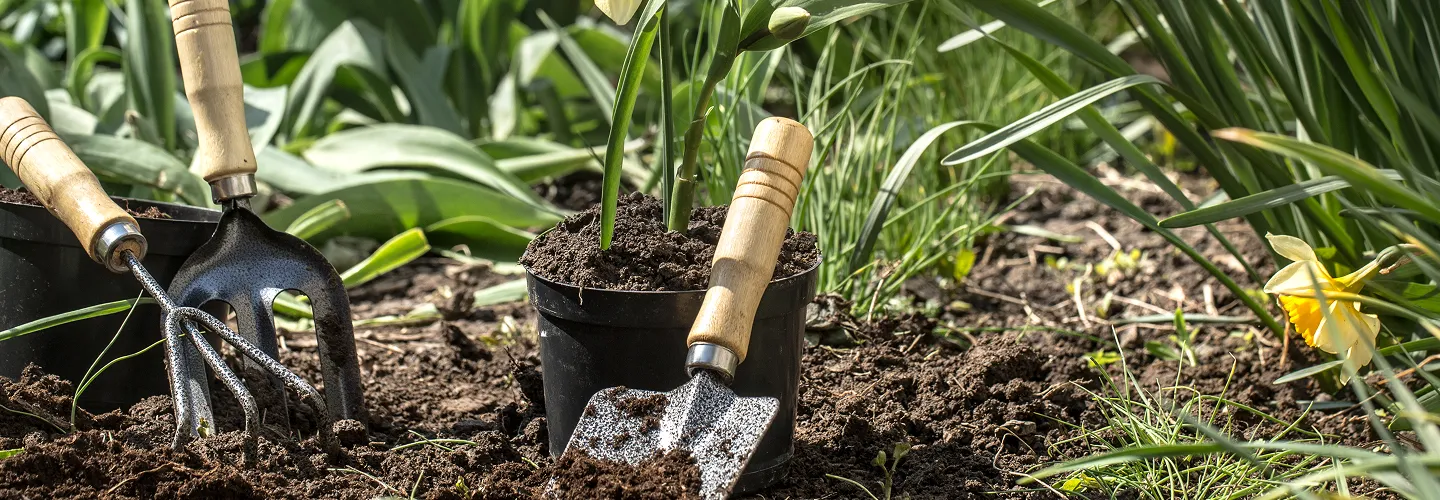
Western Springs Green Waste Disposal Services
Choose our Green Waste Disposal for reliable, environmentally responsible removal of your garden and landscaping debris—keeping your property clean while supporting a greener community.
Get a Free QuoteOur Western Springs Landscaping & Yard Care Services
When to Schedule Green Waste Disposal in Western Springs, IL – Seasonal Guide
In Western Springs, IL, the best times to schedule green waste disposal are closely tied to the area’s distinct seasonal changes and local landscape features. Spring and fall are typically optimal, as these periods coincide with major yard cleanups—spring after the last frost and fall before the first hard freeze. The local climate, with its humid summers and cold winters, means that green waste like leaves, branches, and grass clippings accumulates most rapidly during these transitional months. Neighborhoods such as Old Town North and Ridgewood, with their mature tree canopies, often see a surge in green waste following spring growth and autumn leaf drop.
Environmental factors unique to Western Springs, such as the region’s clay-heavy soils, variable shade coverage from established oaks and maples, and the risk of summer drought, all influence the timing and frequency of green waste removal. Additionally, municipal guidelines and collection schedules—available on the Village of Western Springs Official Website—should be reviewed to ensure compliance and maximize efficiency.
Local Factors to Consider for Green Waste Disposal in Western Springs
- Tree density and species (e.g., heavy leaf drop from maples in Springdale)
- Soil type and drainage, especially in areas near Spring Rock Park
- Seasonal precipitation patterns and risk of summer drought
- Shade coverage affecting grass and plant growth rates
- Municipal collection schedules and local restrictions
- Proximity to landmarks or parks with higher organic debris accumulation
Benefits of Green Waste Disposal in Western Springs
Eco-Friendly Landscaping Solutions
Efficient Green Waste Removal
Promotes Healthy Garden Growth
Reduces Landfill Waste
Supports Local Sustainability
Convenient Scheduling Options
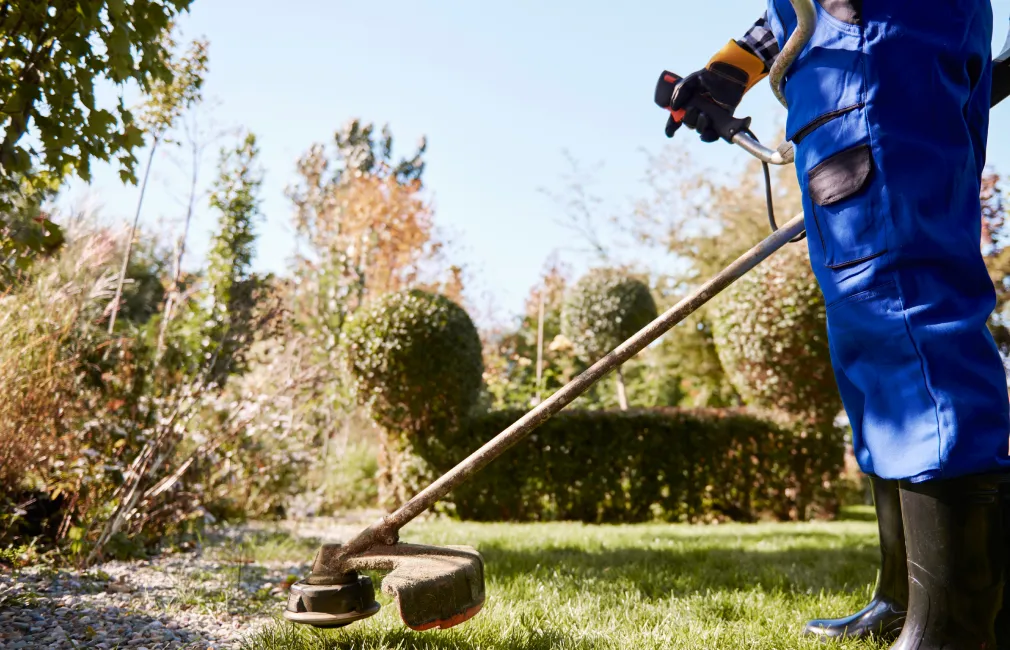
Western Springs Green Waste Disposal Types

Grass Clippings
-
Tree Branches
-
Shrub Trimmings
-
Leaves
-
Garden Weeds
-
Hedge Cuttings
-
Plant Debris
Our Green Waste Disposal Process
Collection of Green Waste
Sorting and Separation
Transport to Disposal Facility
Eco-Friendly Processing
Why Choose Western Springs Landscape Services
-
Western Springs Homeowners Trust Us
-
Expert Lawn Maintenance
-
Reliable Seasonal Cleanups
-
Competitive Pricing
-
Professional Team
-
Satisfaction Guarantee
-
Personalized Service
Contact Western Springs's Department of Public Works for Seasonal Green Waste Collection & Municipal Composting Programs
Western Springs offers a robust seasonal green waste collection program, typically running from early April through late November, with weekly curbside pickup by neighborhood. Residents should place biodegradable paper bags or properly bundled brush at the curb by 7:00 a.m. on collection day, ensuring materials are at least three feet from storm drains and utility boxes. During peak fall leaf season, collection frequency may increase to accommodate higher volumes. The village also supports municipal composting through regional partnerships, offering finished compost to residents for use in gardens and landscaping. The Transfer Station allows for organic waste drop-off during posted hours, requiring a resident permit or sticker, with volume limits and modest fees per load. Specialized services include brush and branch pickup (bundles up to 4 feet long and 50 pounds), Christmas tree collection in January, and emergency storm debris management. For more information, contact:
Western Springs Department of Public Works
740 Hillgrove Avenue, Western Springs, IL 60558
Phone: (708) 246-1800
Official Website: Western Springs Municipal Services
Understanding Green Waste Volume & Decomposition Dynamics in Western Springs's Prairie Clay & Glacial Till Soils
Western Springs is situated on prairie clay and glacial till soils, as identified by the USDA Web Soil Survey, which are characterized by moderate to poor drainage and high clay content. These soils slow organic matter decomposition, especially during wet springs or after heavy rainfall. The community's mature tree canopy—dominated by oaks, maples, elms, ash, and honey locust—produces significant seasonal green waste, particularly in autumn. The local climate, with a growing season from April to October, frequent precipitation, and freeze-thaw cycles, further influences green waste generation and collection timing. Severe weather events, such as thunderstorms and occasional tornadoes, can result in sudden surges of brush and debris. These factors require adaptive management strategies to ensure efficient collection and environmentally sound disposal.
Western Springs's Implementation of Illinois Organic Waste Management Requirements for Residents
Illinois law, under the Illinois Environmental Protection Act, prohibits the disposal of yard waste in landfills and mandates organic waste diversion. Western Springs enforces these requirements through resident education, regular collection services, and coordination with regional composting facilities. Commercial landscapers and institutions must comply with additional diversion and reporting standards. The village provides clear guidelines on acceptable materials, monitors compliance, and issues warnings or fines for violations. Ongoing outreach includes workshops, informational mailings, and online resources. Oversight by the Illinois Environmental Protection Agency ensures that all municipal programs meet state permitting, tracking, and environmental monitoring standards, supporting landfill diversion and sustainable waste management.
Proper Preparation & Sorting of Green Waste Materials for Western Springs's Collection Programs
Residents must follow specific preparation guidelines to ensure efficient collection and compliance:
- Use biodegradable paper yard waste bags for grass clippings, leaves, and garden debris
- Bundle brush and branches with natural twine (maximum 4 feet in length, 50 pounds per bundle)
- Place materials curbside by 7:00 a.m. on collection day, away from storm drains and utilities
- Remove soil, rocks, plastic pots, and wire from all green waste
- Do not include prohibited items such as treated lumber, construction debris, diseased plants, invasive species (e.g., buckthorn, bush honeysuckle), or stumps
- After storms, separate organic debris from construction materials for emergency collection
Proper sorting prevents contamination, protects collection equipment, and ensures that materials can be composted or mulched effectively.
Western Springs Environmental Compliance Guidelines for Green Waste Management Near Protected Areas
Green waste activities near Western Springs's streams, wetlands, and conservation areas are subject to additional oversight. Buffer zones must be maintained to prevent organic material from entering sensitive habitats, and natural leaf retention is encouraged in designated conservation areas to support soil health and wildlife. Invasive species, such as garlic mustard and multiflora rose, require special handling and should not be placed in regular yard waste. Seasonal restrictions may apply during bird nesting periods to protect local wildlife. The village coordinates with the Illinois Department of Natural Resources to ensure compliance with state conservation goals and to manage invasive species effectively.
Protecting Western Springs's Water Quality Through Green Waste Management & NPDES Stormwater Compliance
Proper green waste management is essential for protecting Western Springs's water resources, including Salt Creek and local wetlands. Organic matter left in streets or near storm drains can contribute to nutrient loading, oxygen depletion, and algae blooms in receiving waters. The village operates under the EPA NPDES MS4 permit, requiring best practices to prevent runoff contamination. Residents should avoid placing yard waste near storm drains and follow all staging guidelines. These efforts support compliance with the Clean Water Act and advance Western Springs's broader environmental protection and sustainability initiatives.
On-Site Green Waste Management: Composting, Mulching & Sustainable Practices in Western Springs
Residents are encouraged to manage green waste on-site through composting and mulching, reducing the need for municipal collection and supporting soil health. Local ordinances require compost bins to be set back 10-20 feet from property lines and at least 50 feet from wells. Bins should be sized appropriately and managed to prevent odors and pests. Best practices include:
- Balancing "greens" (grass, vegetable scraps) and "browns" (leaves, twigs) for optimal decomposition
- Maintaining moisture and turning piles regularly
- Avoiding prohibited materials: meat, dairy, oils, pet waste, diseased plants, invasive species
- Mulch-mowing leaves into lawns and using chipped brush as garden mulch
For more guidance, contact:
Western Springs Community Development Department
740 Hillgrove Avenue, Western Springs, IL 60558
Phone: (708) 246-1800
Official Website: Western Springs Community Development Department
Or consult the University of Illinois Extension for composting workshops and resources.
What Neighborhoods Do We Serve Throughout Western Springs, IL?
Western Springs encompasses several neighborhoods, each with unique green waste management needs:
- Old Town North & South: Historic homes with mature oaks and maples generate high fall leaf volumes; narrow streets require careful curbside placement
- Field Park: Large lots and intensive gardening practices result in significant spring and fall cleanup needs; proximity to Salt Creek requires buffer zone compliance
- Forest Hills: Dense tree canopy and prairie restoration areas create heavy organic matter accumulation; alley collection is common
- Springdale: Newer developments with younger landscapes produce less green waste but require education on proper preparation
- Ridgewood: Floodplain location affects disposal timing; native plantings and rain gardens are prevalent
- Tanglewood: Senior community with shared green space; additional support may be needed for collection
- Commons Area: Multi-family properties with coordinated landscaping and shared collection points
For park and community garden support, contact:
Western Springs Park District
1500 Walker Street, Western Springs, IL 60558
Phone: (708) 246-4225
Official Website: Western Springs Park District
Western Springs Municipal Ordinances for Green Waste Equipment Operation & Commercial Services
Local ordinances regulate the operation of green waste equipment and commercial services to minimize noise and ensure safety. Equipment such as leaf blowers and chippers may only be used during designated hours, typically 7:00 a.m. to 7:00 p.m. on weekdays and 9:00 a.m. to 5:00 p.m. on weekends. Commercial landscapers must be licensed and follow all disposal regulations, including proper documentation for organic waste diversion. Right-of-way regulations prohibit the placement of materials in streets or blocking sidewalks. Enforcement is managed by the Building Department, which also oversees composting structure compliance and nuisance prevention. For details, contact:
Western Springs Building Department
740 Hillgrove Avenue, Western Springs, IL 60558
Phone: (708) 246-1800
Official Website: Western Springs Building Codes
By following these guidelines and participating in Western Springs's green waste programs, residents contribute to a cleaner, healthier, and more sustainable community, supporting local environmental goals and compliance with state and federal regulations.